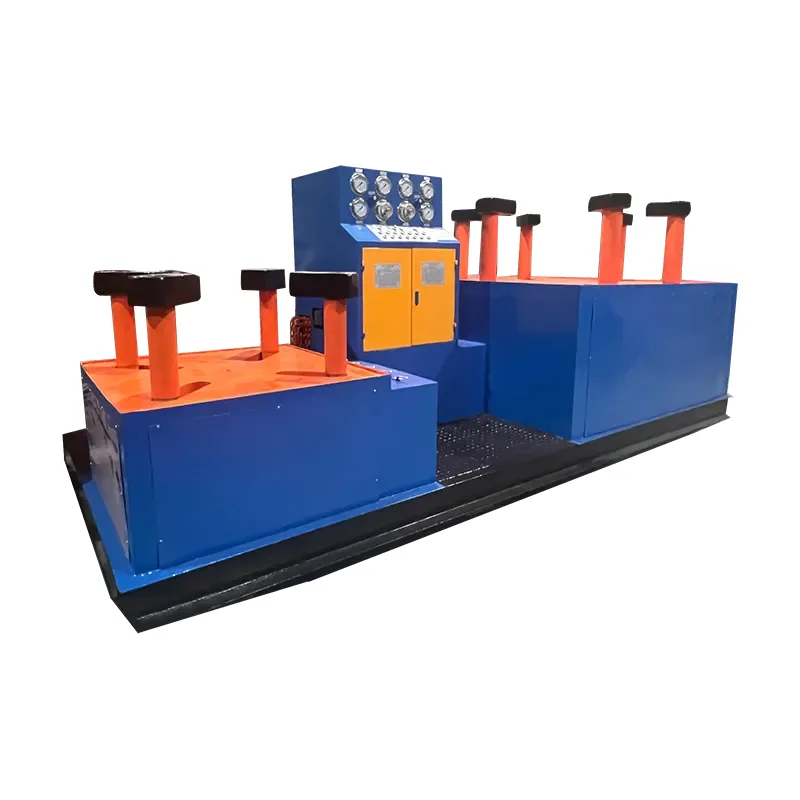
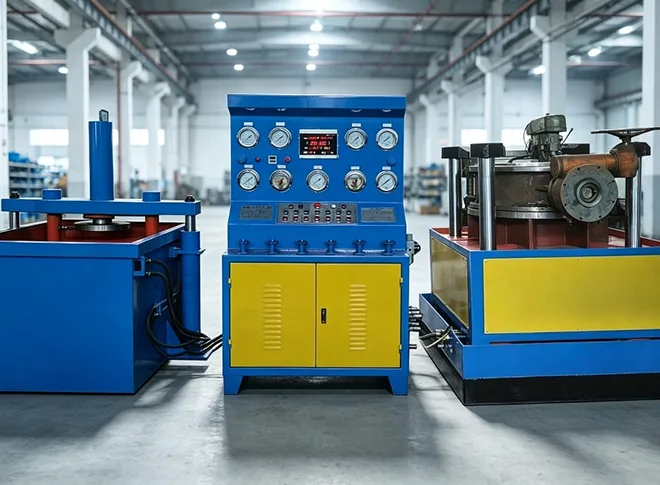
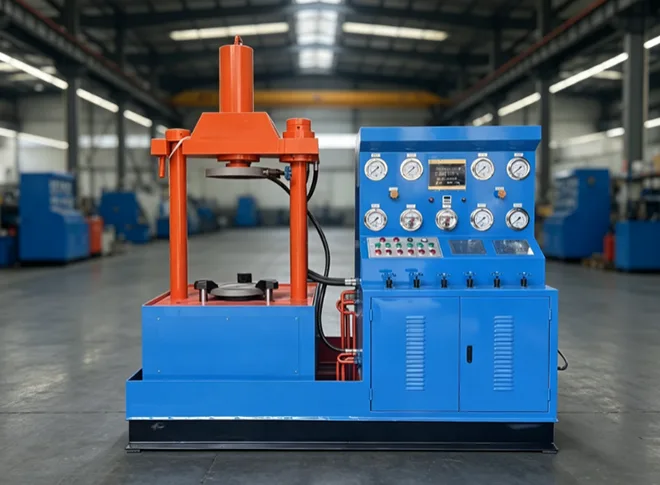
Valve pressure testing is an essential quality control process for industrial valves used in oil and gas, petrochemical, power generation, water treatment and other demanding applications. Choosing the correct valve pressure test bench is therefore important for achieving reliable test results, meeting international standards and improving production efficiency.Key Valve Pressure Testing StandardsSeveral international standards are commonly used for industrial valve testing. API 598 valve testing is widely applied to industrial valves, particularly in oil and gas projects. ISO 5208 valve testing specifies requirements for verifying pressure-boundary integrity and valve closure tightness, while EN 12266 valve testing is widely used for valves supplied to European markets.
Depending on the valve type and project specification, typical tests include:
· Shell test – verifies the pressure integrity of the valve body and pressure-containing components.
· Seat leakage test – checks the sealing performance of the valve seat and closure member.
· Backseat test – verifies sealing performance around the stem and backseat where applicable.
· Hydrostatic valve testing – uses water as the test medium for controlled pressure testing.
· Low-pressure pneumatic testing – may be required for specific closure or leakage tests.
The applicable test pressure, duration and acceptance criteria should always be determined according to the relevant standard and valve specification rather than using a single universal value.How to Select a Valve Test BenchWhen selecting a hydraulic valve test bench, buyers should consider several key parameters.
1. Valve size and pressure rating
Confirm the minimum and maximum valve diameter, such as DN50, DN300 or DN600, together with the applicable PN or Class rating.
2. Valve types
The equipment should match the valves being tested, including gate valves, ball valves, butterfly valves, globe valves and check valves.
3. Test pressure and medium
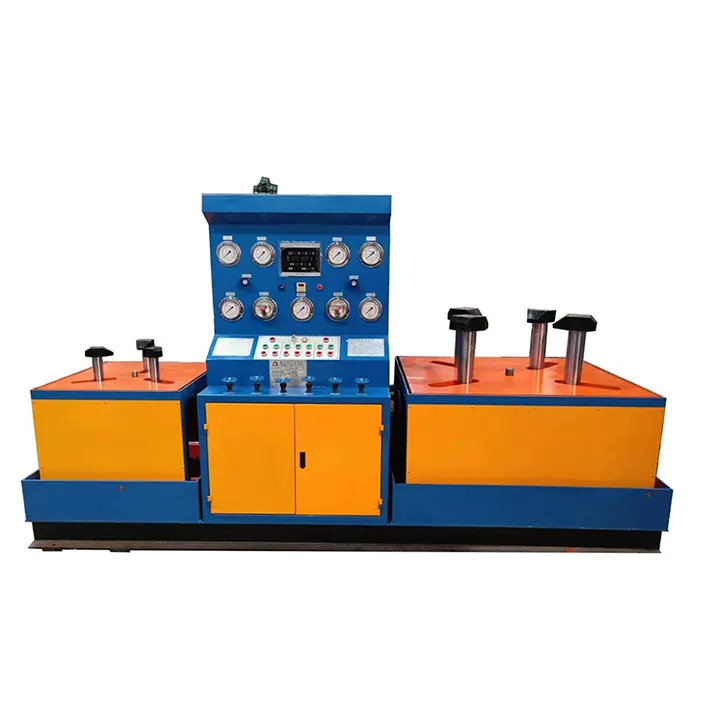
Select a valve testing machine according to the required shell and seat test pressures and whether water, air or another approved medium is required.
4. Clamping method
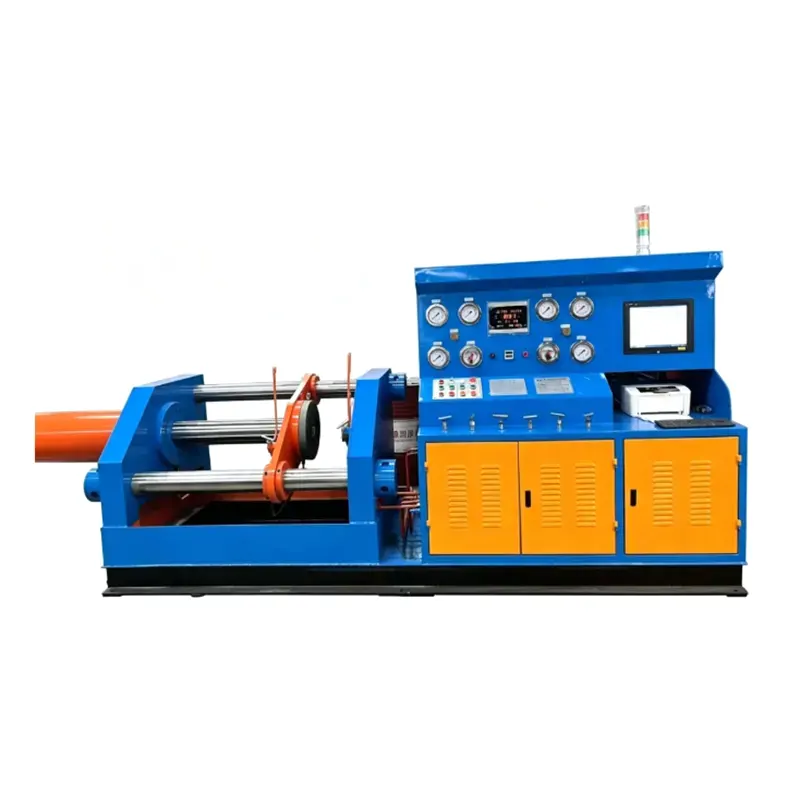
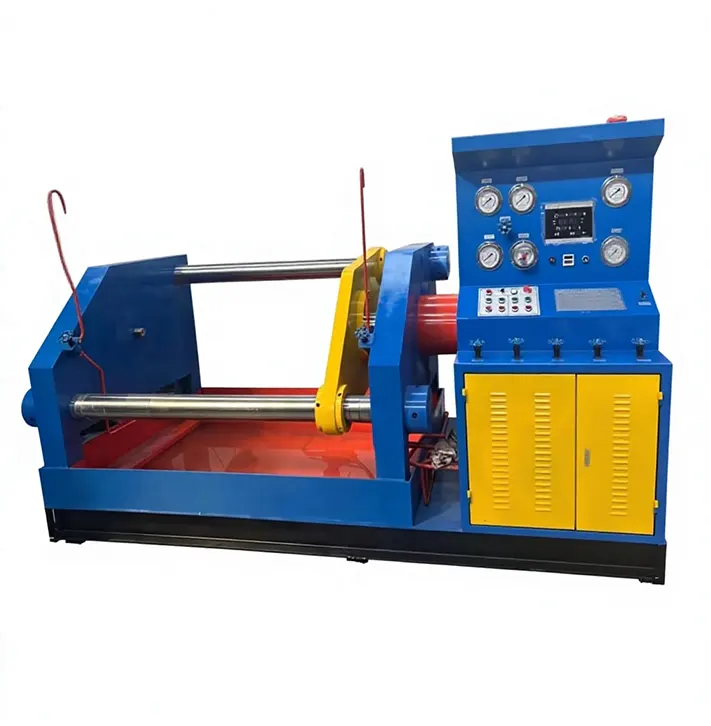
Hydraulic clamping can provide stable and efficient sealing, particularly for high-pressure valve testing and frequent production-line testing.
5. Testing and recording functions
A professional valve test equipment system should provide accurate pressure measurement, reliable sealing and convenient recording of test results. For export projects, test documentation and Factory Acceptance Testing (FAT) may also be important.Choose the Right Valve Testing EquipmentThe best valve pressure test bench is not simply the machine with the highest test pressure. It should be matched to the valve size, type, pressure class, testing standard and production requirements.
For customised hydraulic valve testing equipment, provide your valve size, type, pressure rating and required testing standard. A suitable test bench configuration can then be recommended for your application.
We use cookies to offer you a better browsing experience, analyze site traffic and personalize content. By using this site, you agree to our use of cookies.Privacy Policy