
Hydrostatic Testing vs. Pneumatic Testing for Industrial Valves
Pressure testing is an essential part of industrial valve manufacturing and maintenance. Before valves are delivered or returned to service, appropriate testing procedures are used to evaluate their pressure integrity and sealing performance.
Two commonly used methods are hydrostatic testing and pneumatic testing.
Although both methods involve applying pressure to a valve, they use different testing media and have different operating characteristics.
Understanding these differences helps valve manufacturers, maintenance workshops, and equipment buyers select suitable testing methods and valve pressure testing equipment.
1. What Is Hydrostatic Testing?Hydrostatic testing is a pressure testing method that uses water or another specified liquid as the testing medium.
During the process, the valve is connected to a suitable pressure supply system. The liquid is introduced into the designated test area, and pressure is gradually increased to the required level.
Operators then monitor the pressure and inspect the valve for leakage according to the specified testing procedure.
Hydrostatic testing is commonly used for:
Main advantages:
Hydrostatic testing is an important method for evaluating the pressure integrity of industrial valve bodies.
2. What Is Pneumatic Testing?
Pneumatic testing uses compressed air, nitrogen, or another specified gas as the testing medium.
The gas is introduced into the valve under controlled conditions to perform the required pressure or leakage inspection.
Depending on the testing arrangement, leakage can be identified through pressure changes, suitable leakage measurement equipment, or bubble observation.
Main advantages:
However, compressed gas stores significantly more energy than an equivalent volume of pressurized water. Pneumatic testing therefore requires particular attention to safety, protective equipment, controlled pressurization, and exclusion zones.
3. Hydrostatic Testing vs. Pneumatic Testing: Key Differences
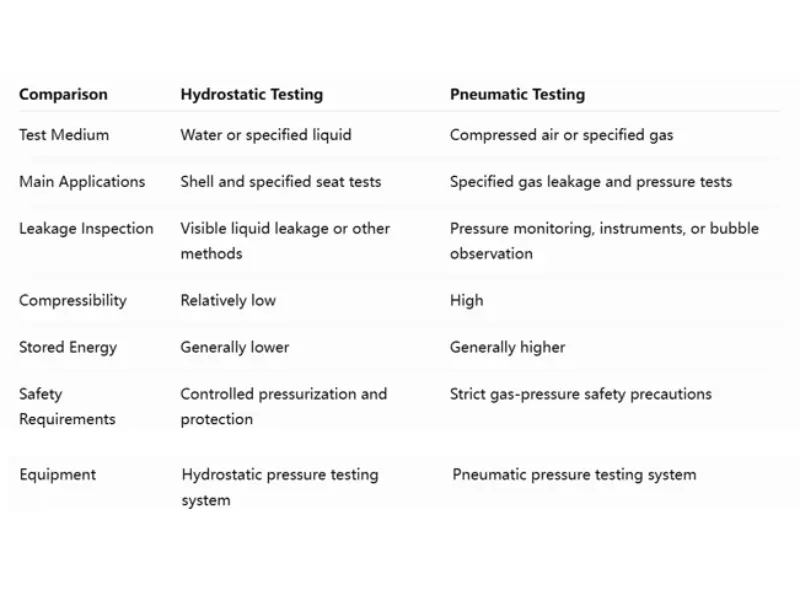
The most important difference is the testing medium.
Water has relatively low compressibility, while compressed gas can release substantial stored energy if a test component fails.
For this reason, pneumatic testing requires more stringent risk assessment and safety controls.
4. How to Choose the Right Testing Method?
The choice between hydrostatic and pneumatic testing should depend on the valve design, applicable standards, and customer inspection requirements.
4.1 Consider the Valve Type
Different valve structures may have different testing requirements.
Common industrial valve types include:
- Ball valves.
- Gate valves.
- Globe valves.
- Check valves.
- Butterfly valves.
- Safety valves.
The required testing method should be determined according to the applicable standard and the specific valve design.
4.2 Check the Required Test Pressure
Before selecting a testing method, confirm the required test pressure for each procedure.
The pressure supply system, sealing components, pressure instruments, and machine structure must all be suitable for the intended testing conditions.
4.3 Consider the Testing Purpose
Hydrostatic testing is commonly used for specified shell pressure tests, while pneumatic testing is often used for certain gas leakage inspections.
However, neither method should be selected simply because it is more convenient.
Always follow the applicable valve testing standard and agreed inspection procedure.
4.4 Evaluate Safety Requirements
Safety is particularly important when performing pneumatic testing.
The testing area should have appropriate protection, and pressurization must be controlled according to an approved procedure.
Operators should never exceed the specified testing pressure or bypass equipment safety protection.
5. What Equipment Is Needed for These Testing Methods?
Different testing procedures require different equipment configurations.
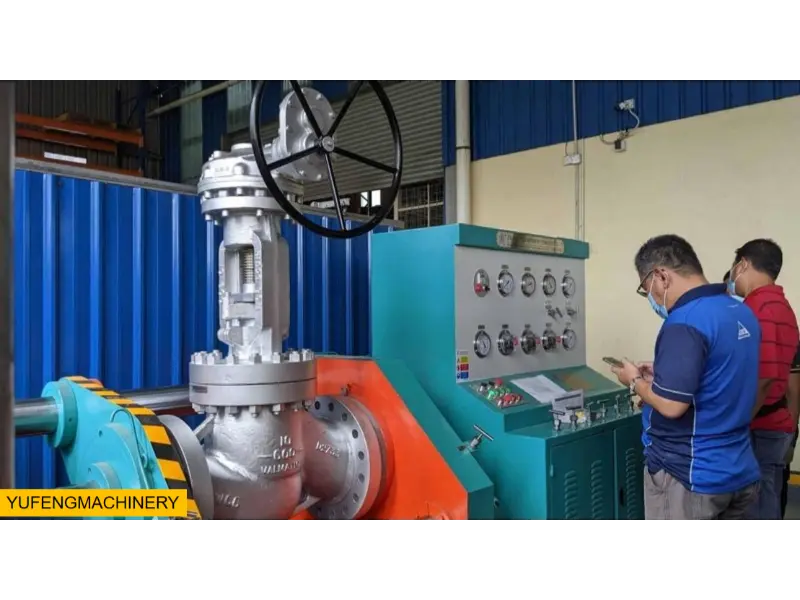
Hydrostatic Valve Testing Equipment
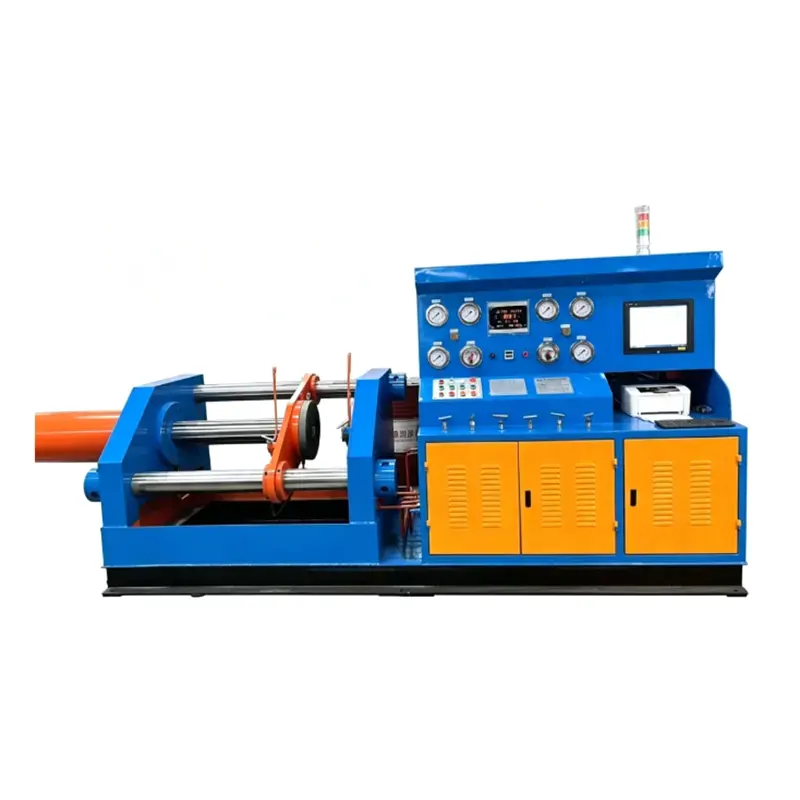
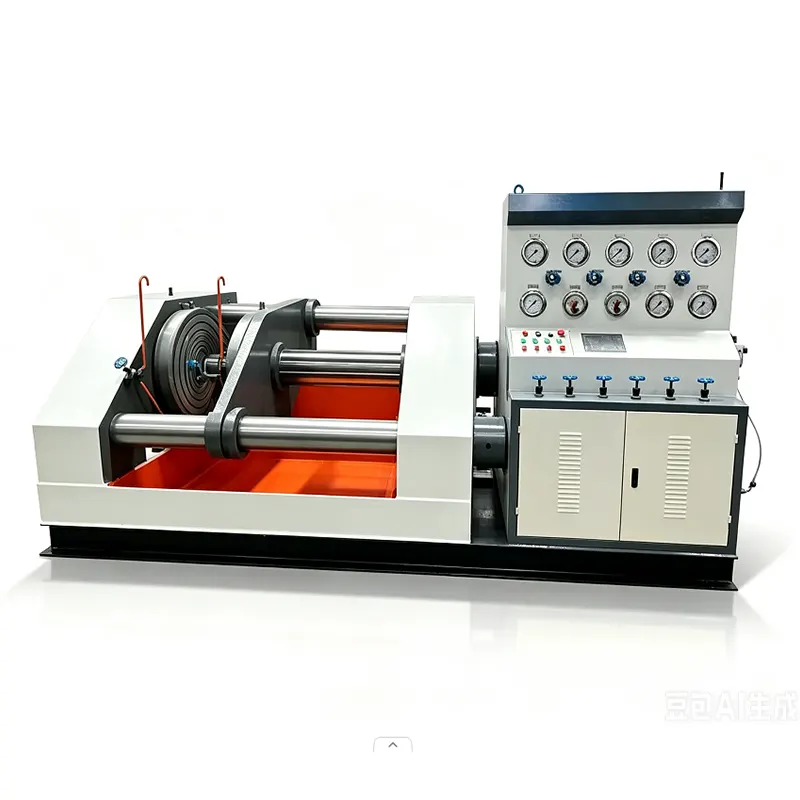
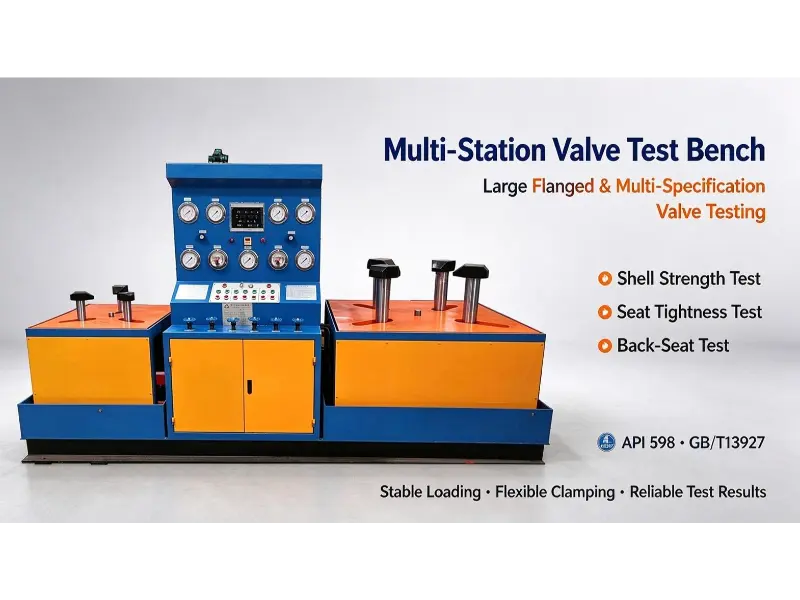
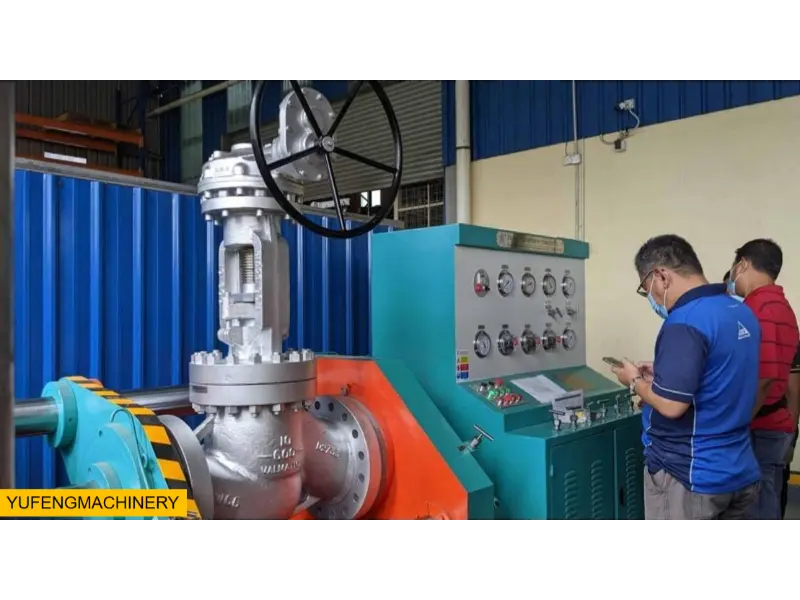
A hydrostatic valve test bench typically includes:
- Mechanical clamping structure.
- Hydraulic clamping system.
- Water pressure supply system.
- Pressure monitoring instruments.
- Sealing fixtures.
- Operating and safety control systems.
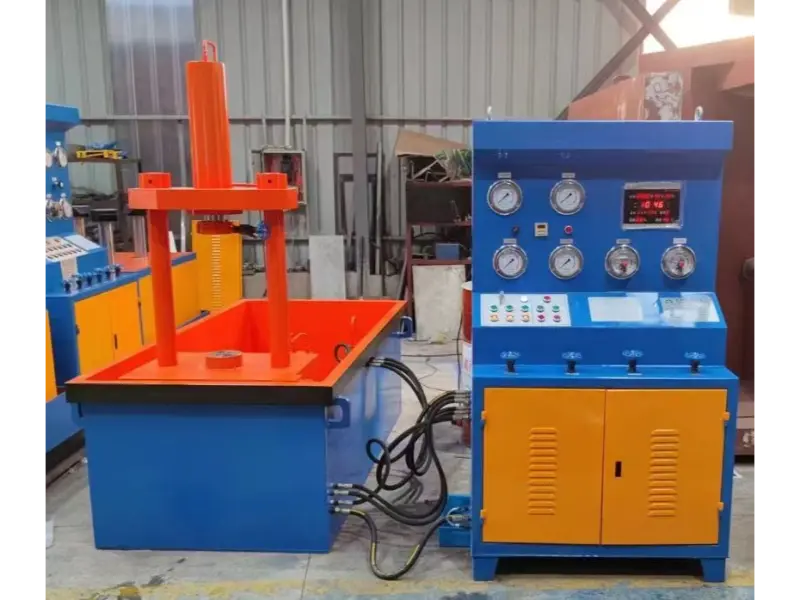
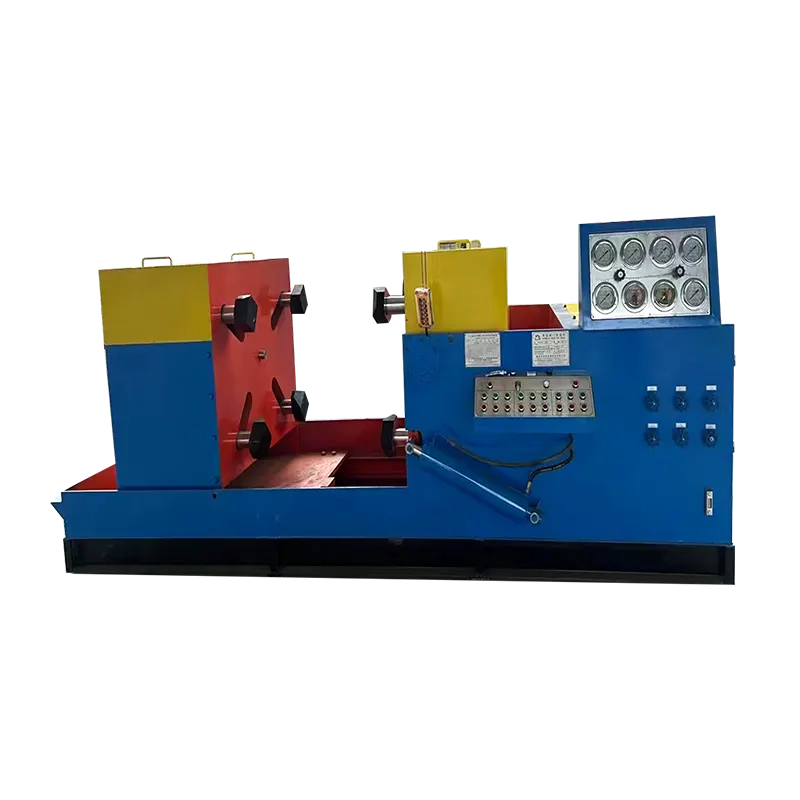
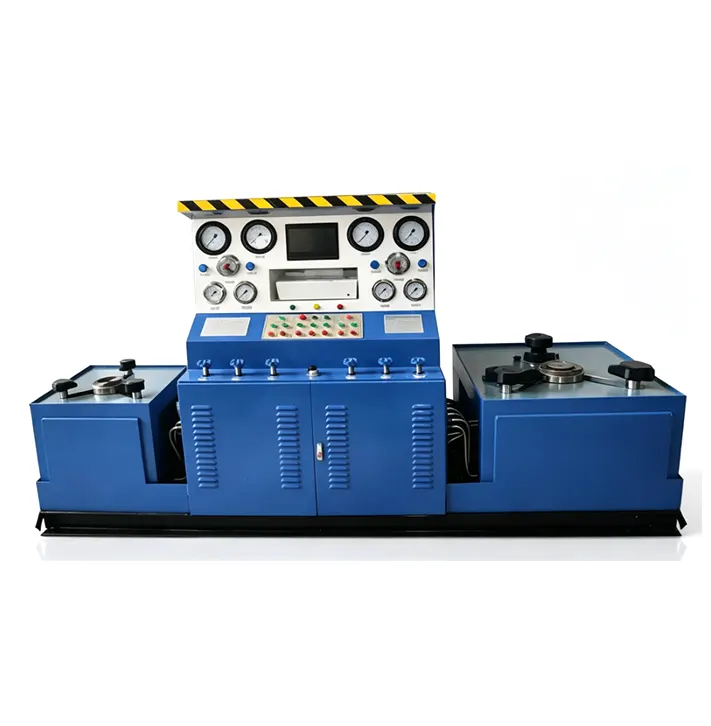
Depending on the valve dimensions and testing requirements, the machine may use a gripper-type, top-pressure, horizontal, or vertical structure.
Pneumatic Valve Testing Equipment
Pneumatic testing equipment may include:
- Compressed air supply.
- Pressure regulation system.
- Pressure monitoring instruments.
- Suitable sealing fixtures.
- Safety protection devices.
- Water tank for applicable submerged bubble testing.
For specific applications, a submerged water tank valve test bench allows operators to observe air bubbles when leakage occurs during the specified test.
The actual equipment configuration should be determined according to the required test method and pressure range.
6. Which Testing Standards Should Buyers Consider?
For industrial valve manufacturers, testing procedures should follow the applicable standards and project specifications.
Common references include:
API 598 – Valve Inspection and Testing
API 598 covers inspection and pressure testing requirements for various industrial valve types.
GB/T 13927 – Industrial Valves: Pressure Testing
This Chinese national standard provides pressure testing requirements for industrial valves.
Different tests may specify different media, pressures, holding times, and leakage acceptance criteria.
Therefore, buyers should confirm the exact requirements of the applicable standard rather than assuming that all valves use the same hydrostatic or pneumatic testing procedure.
7. Yufeng Machinery – Valve Pressure Testing Equipment Manufacturer
Wenzhou Yufeng Machinery specializes in manufacturing industrial valve test benches and valve grinding machines.
Our valve testing equipment can be designed for applications covering DN15 to DN2200, depending on the machine structure and project requirements.
Our product range includes:
- Gripper-Type Valve Test Benches.
- Top-Pressure Valve Test Benches.
- Butterfly Valve Test Benches.
- Intelligent PLC Valve Test Benches.
- Vertical Hydraulic Valve Test Benches.
- Submerged Water Tank Valve Test Benches.
Different machine configurations can be developed according to valve dimensions, test pressure, testing media, and applicable inspection requirements.
For customers who need both hydrostatic and pneumatic testing functions, the required systems can be evaluated during the equipment design process.
Our goal is to provide practical valve testing solutions based on each customer's actual workshop and inspection requirements.
8. Frequently Asked Questions
Q1: What is the main difference between hydrostatic and pneumatic testing?
Hydrostatic testing uses water or another specified liquid, while pneumatic testing uses compressed gas. Their pressure behavior, safety requirements, and applications are different.
Q2: Is hydrostatic testing safer than pneumatic testing?
Generally, hydrostatic testing involves less stored energy because liquids are relatively incompressible. Pneumatic testing requires stricter safety precautions because compressed gas can release substantial energy if a failure occurs.
Q3: Can a valve test bench perform both hydrostatic and pneumatic testing?
Some machines can be configured for both methods. The actual capability depends on the pressure supply system, machine design, safety protection, and testing requirements.
Q4: Which method is used for valve shell testing?
Hydrostatic testing is commonly used for valve shell pressure testing, subject to the applicable standard and testing specification.
Q5: Can pneumatic testing detect valve leakage?
Yes. Suitable pneumatic testing procedures can identify leakage through pressure monitoring, leakage measurement instruments, or bubble observation.
Q6: How do I choose a suitable valve test bench?
Consider valve type, DN range, pressure requirements, testing medium, applicable standards, clamping structure, and required automation functions.
Conclusion
Hydrostatic testing and pneumatic testing are both important methods in industrial valve inspection.
Hydrostatic testing is widely used for specified shell and sealing tests, while pneumatic testing is suitable for certain gas leakage inspection procedures.
The correct method depends on the valve design, applicable standards, testing requirements, and safety conditions.
For valve manufacturers and maintenance workshops, selecting a properly configured valve test bench is essential for establishing a reliable inspection process.
Looking for a suitable valve testing solution?
Contact Yufeng Machinery to discuss your valve specifications, pressure requirements, and testing procedures.
Website: https://www.yufengvalvetestbench.com/