
Valve Seat Grinding: How to Restore Industrial Valve Sealing Surfaces
Industrial valves operate under different pressure, temperature, and flow conditions. Over time, their sealing surfaces may develop scratches, wear, corrosion, or other forms of damage.
These problems can affect sealing performance and cause internal leakage.
Valve seat grinding is one of the repair processes used to restore damaged sealing surfaces and improve valve performance.
1. What Is Valve Seat Grinding?
Valve seat grinding is a surface repair process that uses abrasive tools to remove minor surface defects and restore the required contact geometry.
It is commonly used during the maintenance of gate valves, globe valves, safety valves, and other industrial valves.
Depending on the valve design and damage condition, grinding may be followed by lapping to achieve the required surface finish and contact quality.
2. Why Do Valve Sealing Surfaces Need Grinding?
Valve sealing surfaces may become damaged during long-term operation or repeated opening and closing.
Common problems include:
Surface scratches and scoring.
Uneven contact between sealing surfaces.
Localized wear.
Corrosion and surface defects.
Leakage caused by damaged sealing areas.
If the damage is suitable for abrasive repair, grinding can help restore the sealing surface.
However, deep damage, severe deformation, or insufficient material may require machining, welding, or component replacement instead.
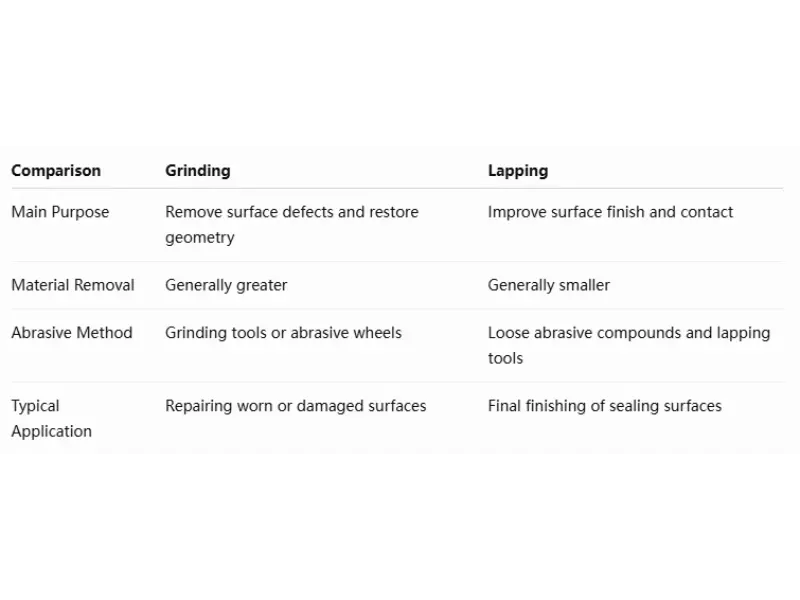
3. Grinding vs. Lapping: What Is the Difference?
Grinding and lapping are related but different surface finishing processes.
4. How Does a Valve Grinding Machine Work?
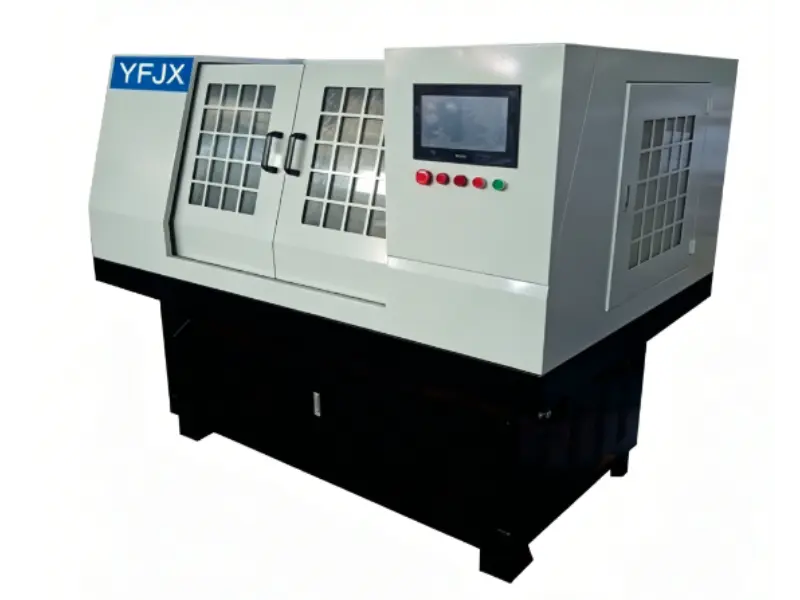
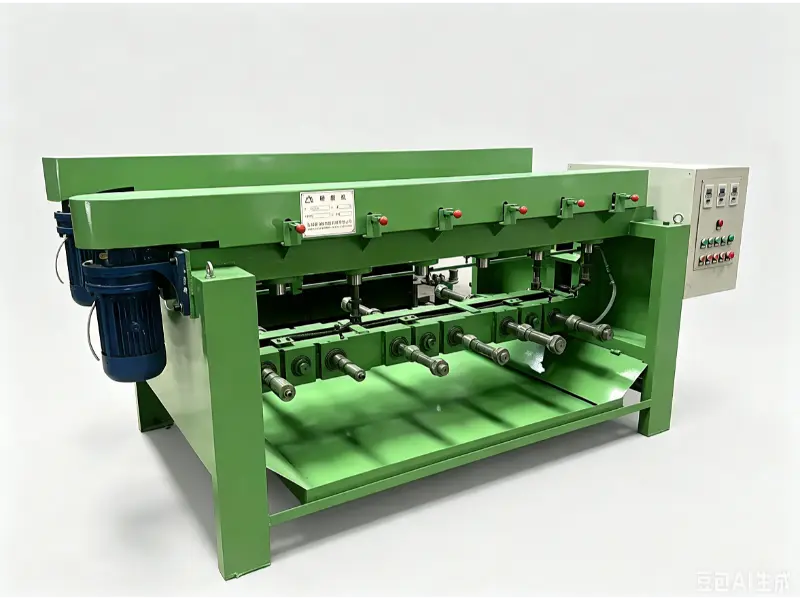
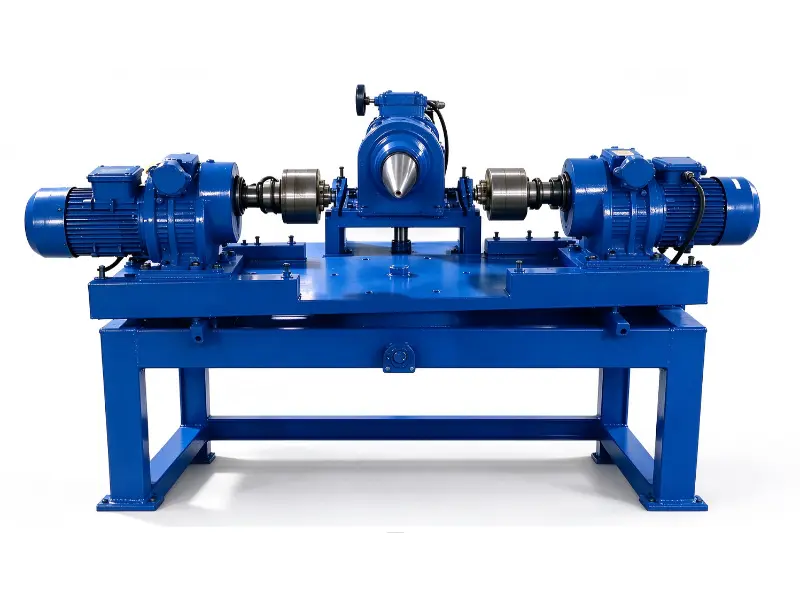
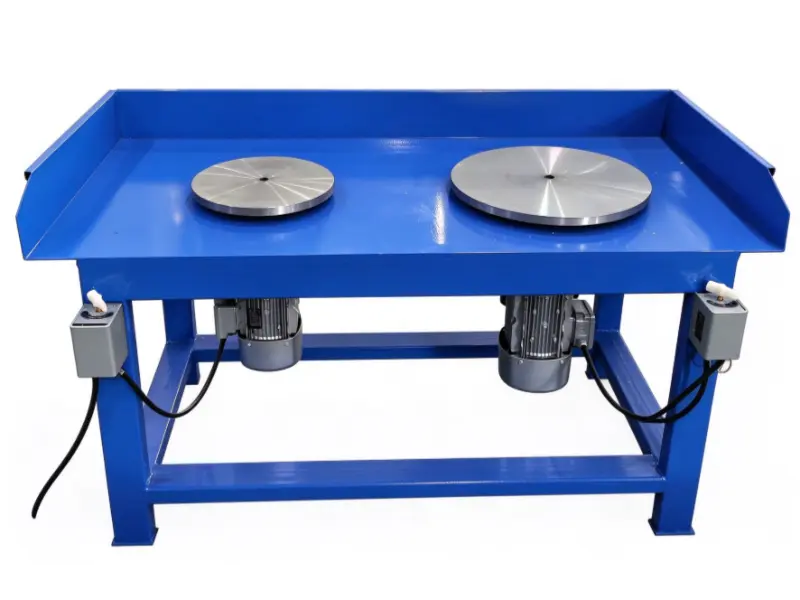
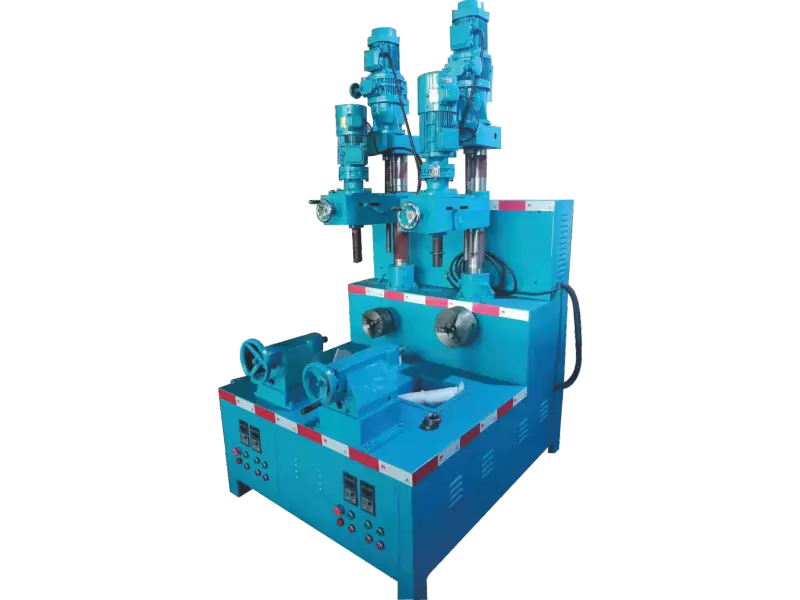
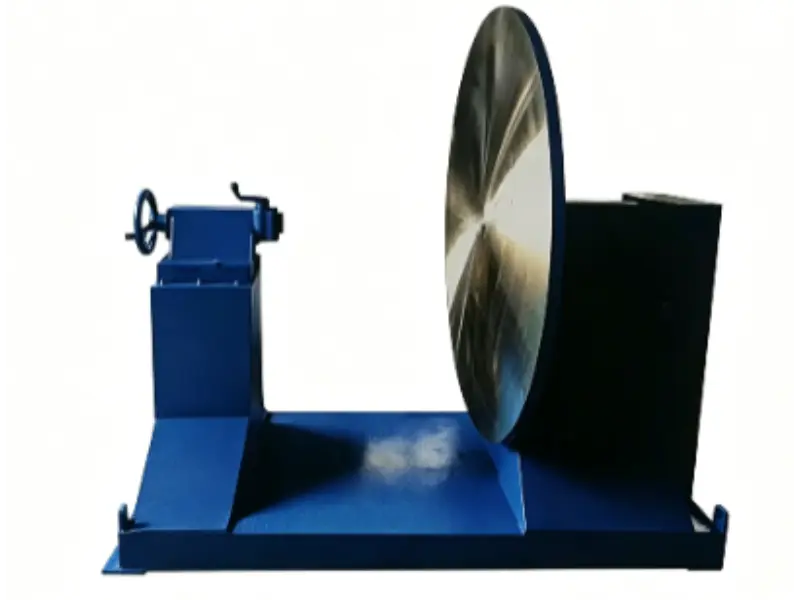
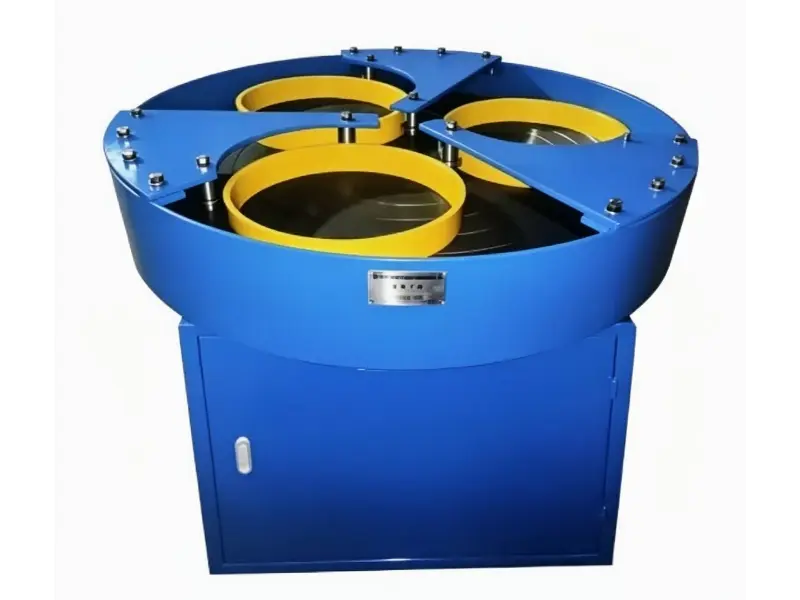
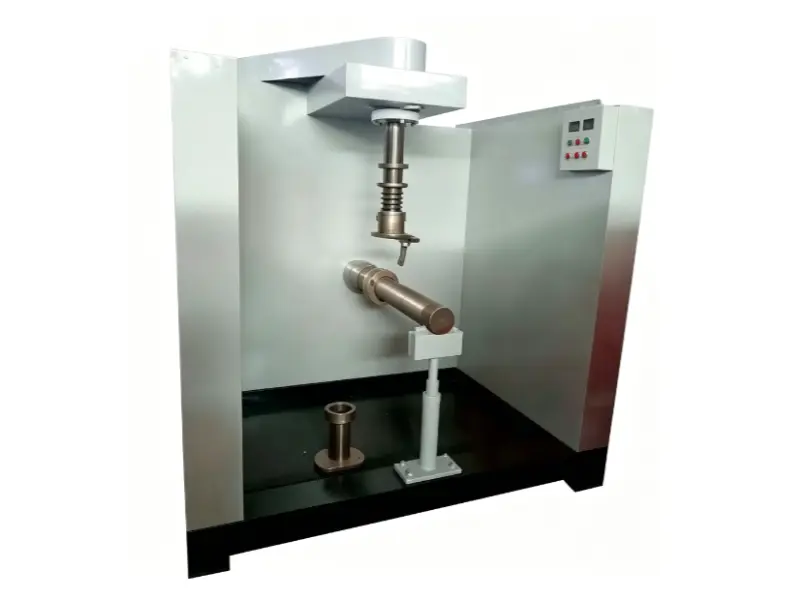
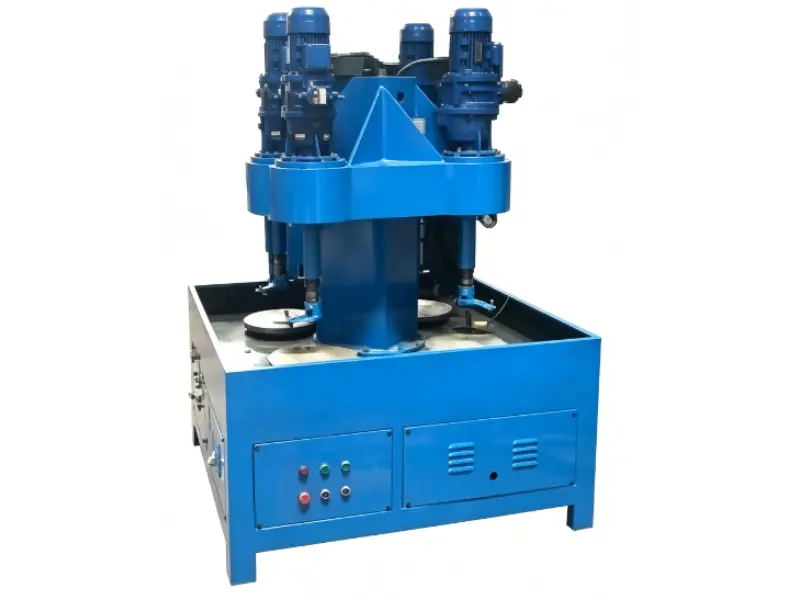
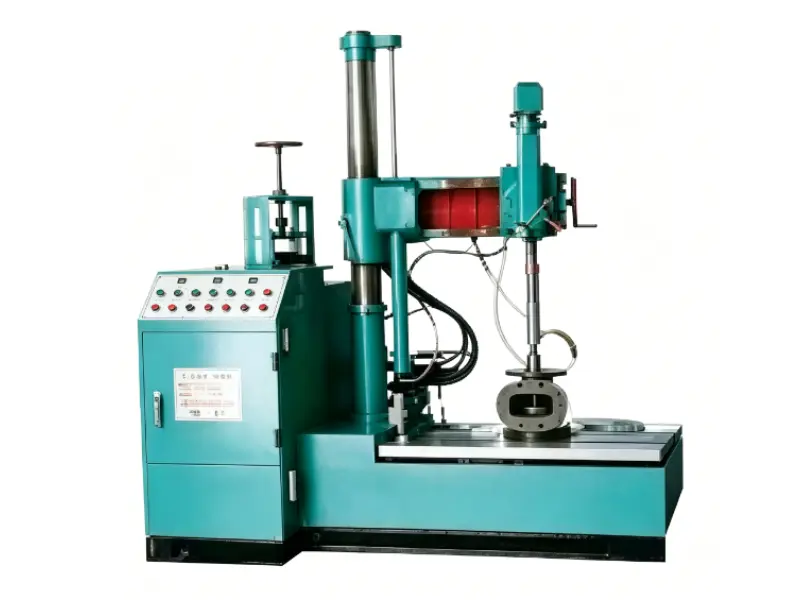
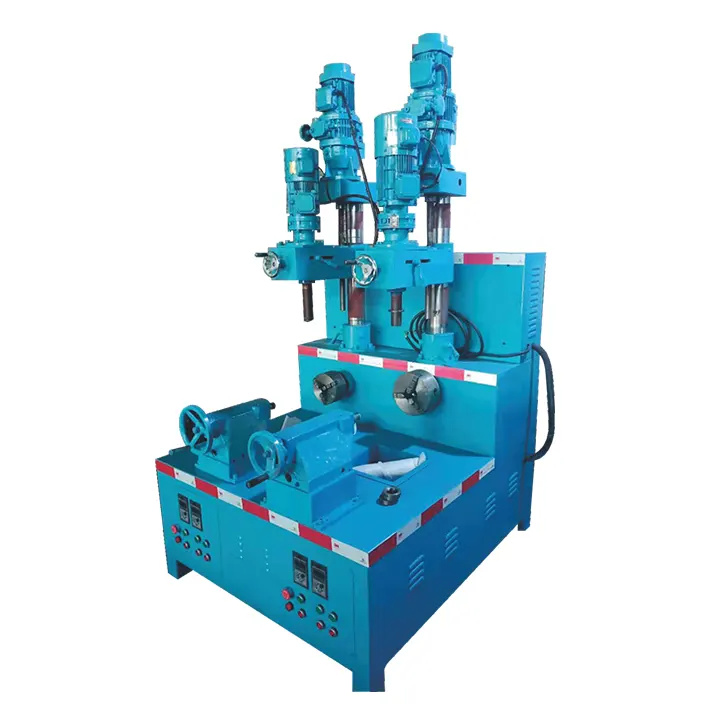
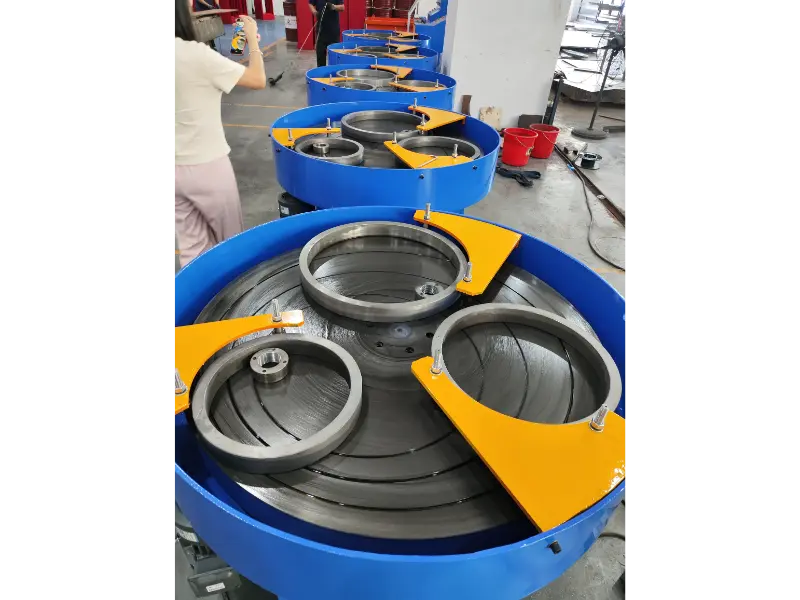
A valve grinding machine uses a motor-driven mechanism and suitable grinding tools to process valve sealing surfaces.
Depending on the machine design, it may be used for different sealing surface geometries and valve sizes.
A typical repair process includes:
Inspect the valve and identify the damaged sealing area.
Select suitable grinding tools and abrasives.
Position and secure the valve or workpiece.
Grind the sealing surface according to the repair requirements.
Perform lapping if necessary.
Inspect the finished surface and verify the sealing performance.
Correct tool selection, stable positioning, and controlled operation are important for achieving consistent results.
5. How to Choose a Suitable Valve Grinding Machine?
Before purchasing equipment, buyers should consider several factors:
Valve Types: Identify whether the machine will be used for gate valves, globe valves, safety valves, or other components.
Grinding Range: Confirm the working range and dimensions of the sealing surfaces.
Material: Consider the material and hardness of the sealing surface when selecting grinding tools and abrasives.
Repair Requirements: Determine whether the application requires grinding only or both grinding and lapping.
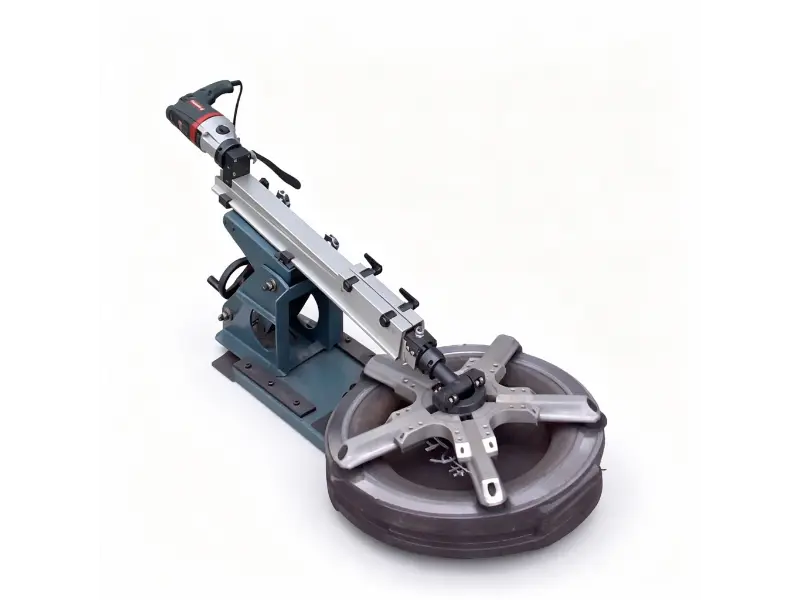
Machine Structure: Choose a suitable portable or stationary machine according to workshop conditions and maintenance requirements.
6. Yufeng Machinery – Industrial Valve Grinding Machies
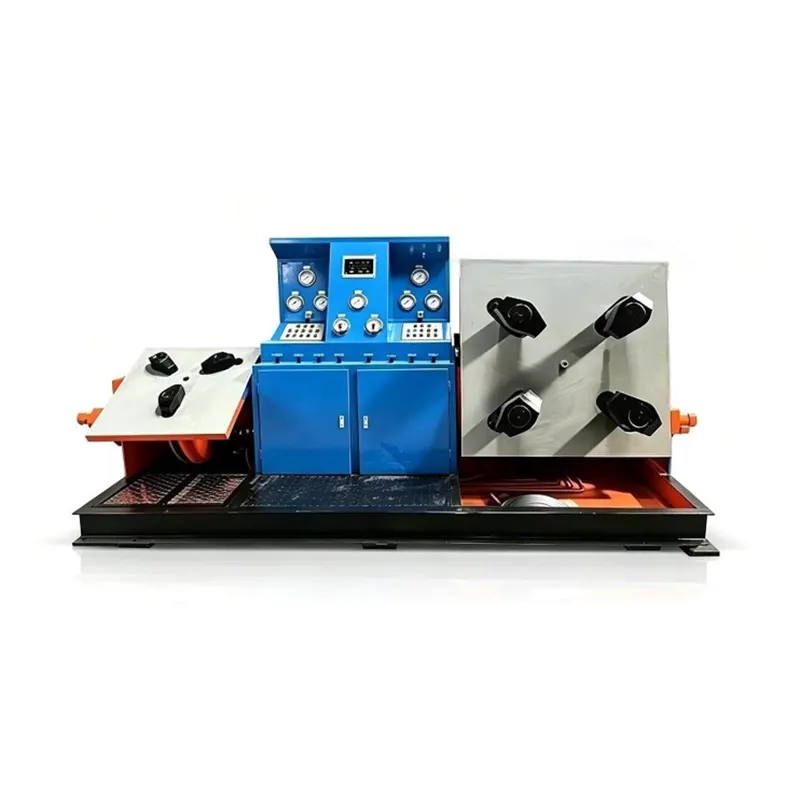
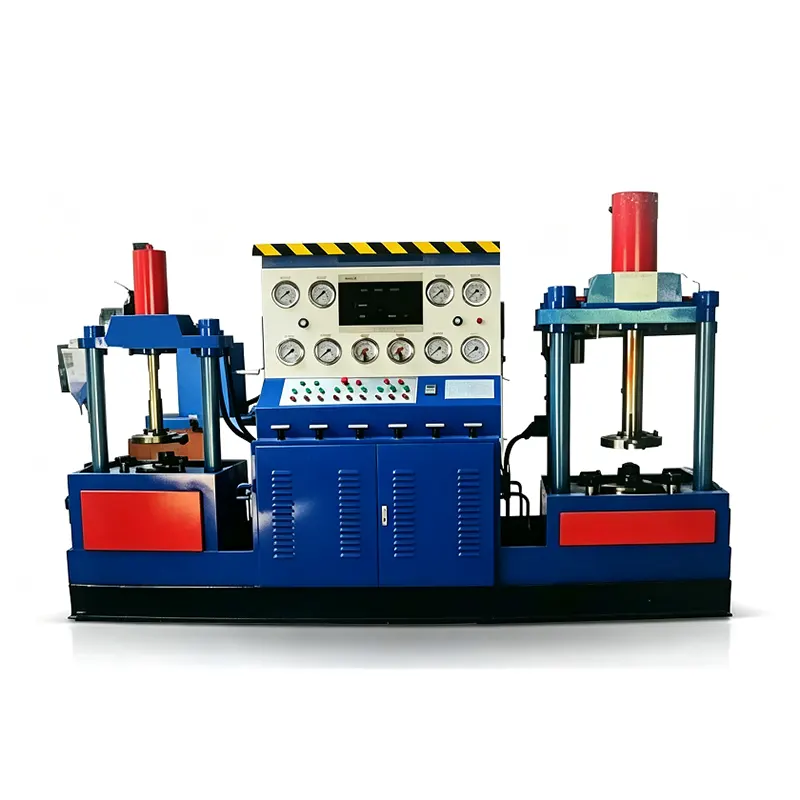
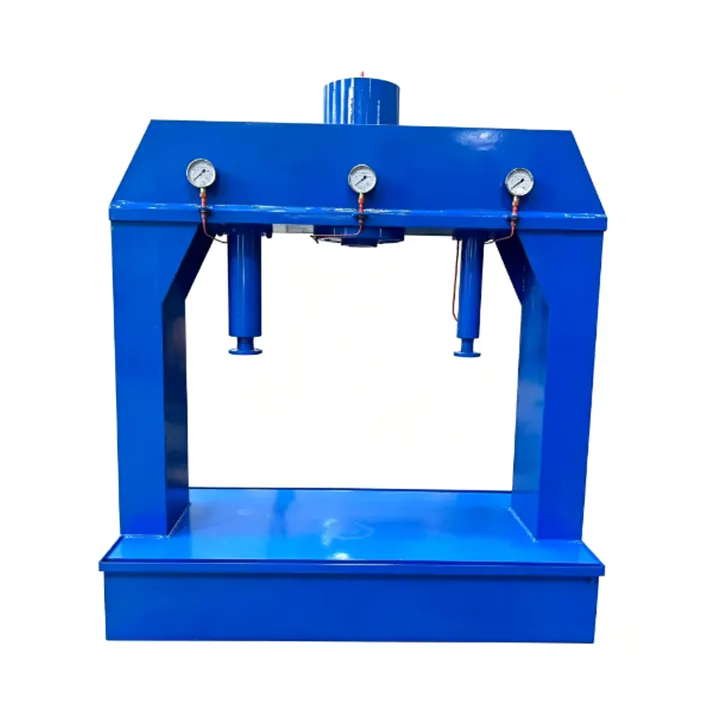
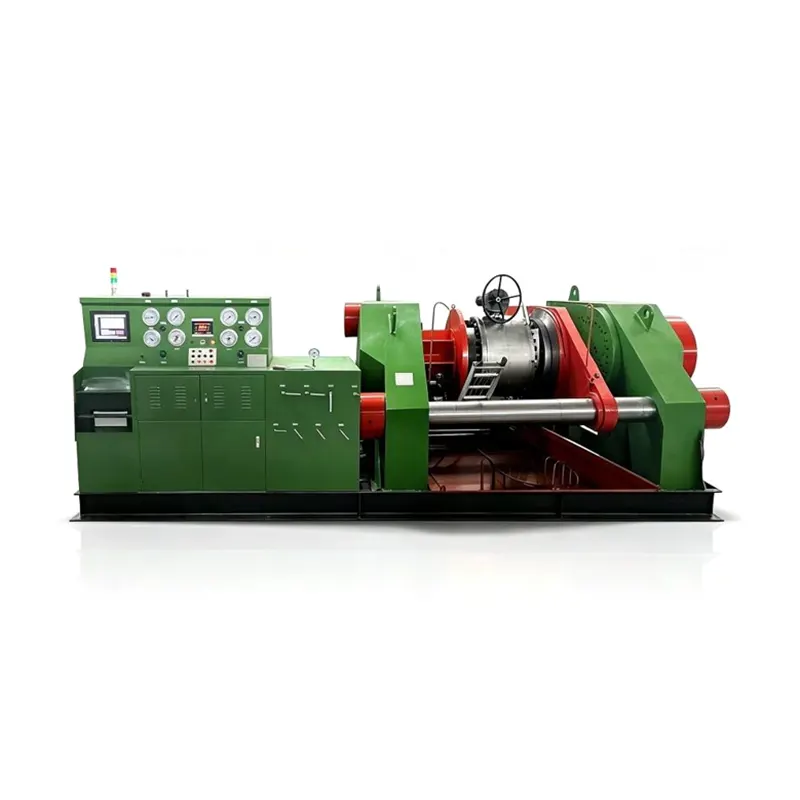
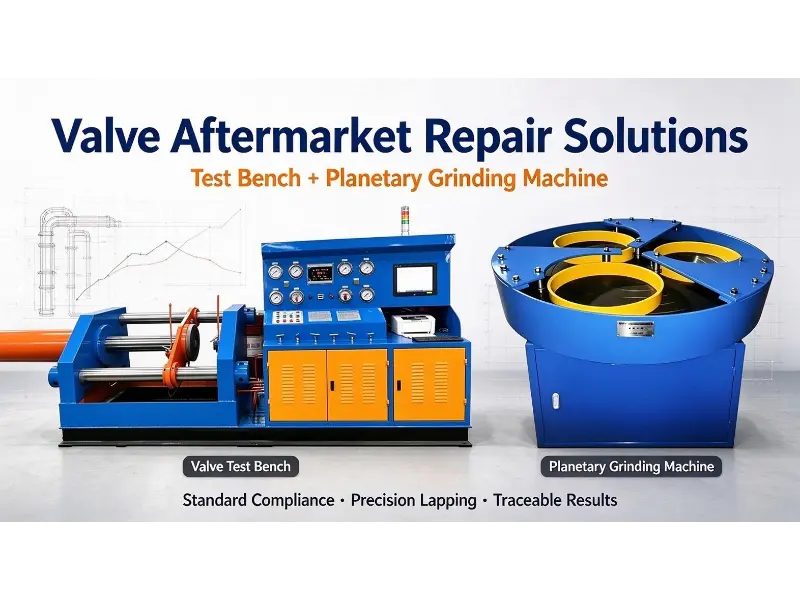
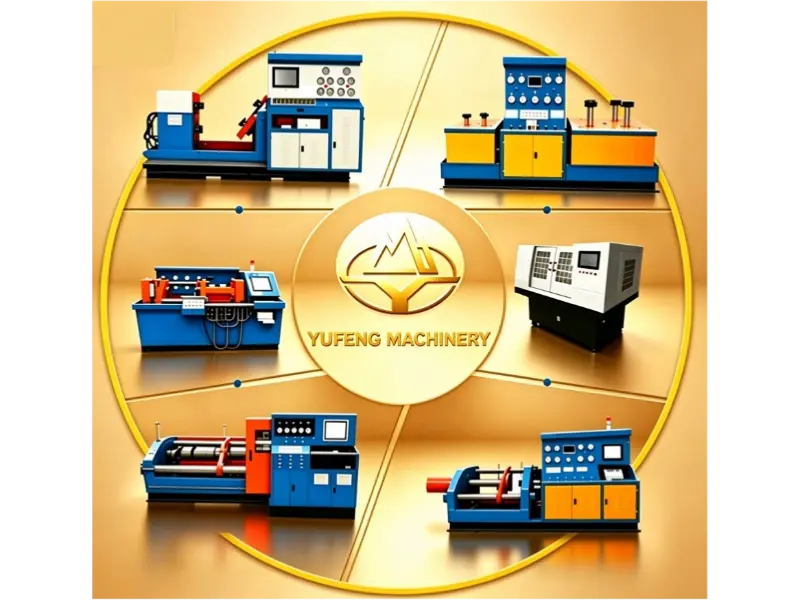
Wenzhou Yufeng Machinery specializes in manufacturing industrial valve test benches and valve grinding machines.
Our valve grinding equipment is designed for industrial valve sealing surface maintenance and repair applications.
Different machine configurations can be selected according to valve dimensions, sealing surface structures, and customer requirements.
For valve manufacturers and maintenance workshops, suitable grinding equipment can support more efficient repair operations and help maintain sealing surface quality.
Frequently Asked Questions
Q1: What is valve seat grinding used for?
It is used to repair suitable damaged valve sealing surfaces and restore their geometry and contact condition.
Q2: Is grinding the same as lapping?
No. Grinding generally removes more material to correct surface defects, while lapping is a finer finishing process.
Q3: Can all damaged valve seats be repaired by grinding?
No. Severe damage, deep defects, or insufficient material may require machining, welding, or replacement.
Q4: How do I choose a valve grinding machine?
Consider valve type, sealing surface dimensions, material, repair requirements, and the machine's working range.
Conclusion
Valve seat grinding plays an important role in industrial valve maintenance. By selecting suitable grinding tools and equipment, repair workshops can restore appropriate sealing surface conditions for many repair applications.
Understanding the differences between grinding and lapping is also important when choosing the correct repair process.
Looking for industrial valve grinding equipment?
Contact Yufeng Machinery to discuss your valve types, sealing surface dimensions, and repair requirements.
Website: https://www.yufengvalvetestbench.com/