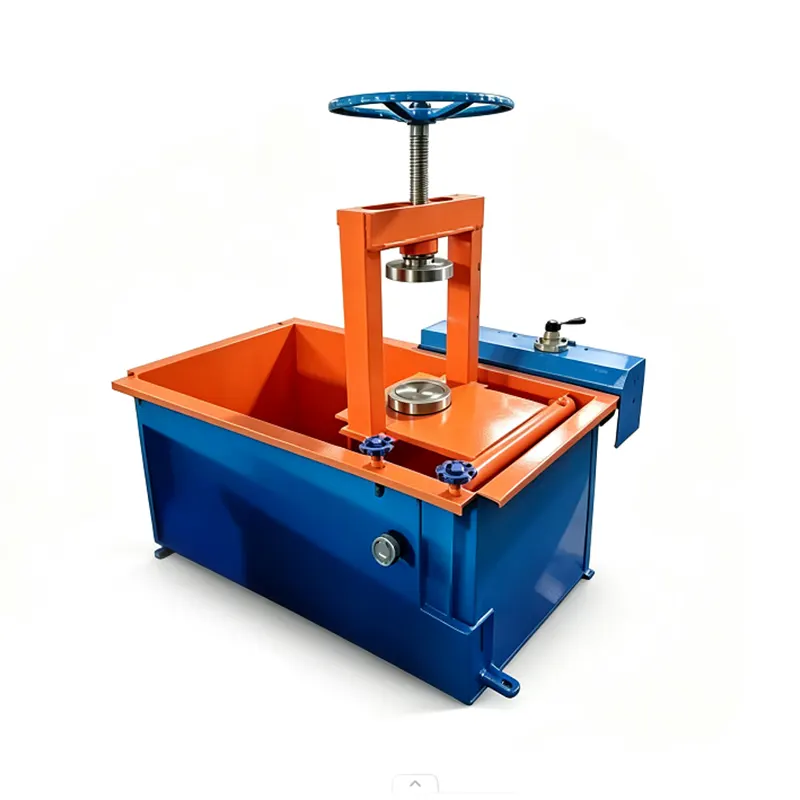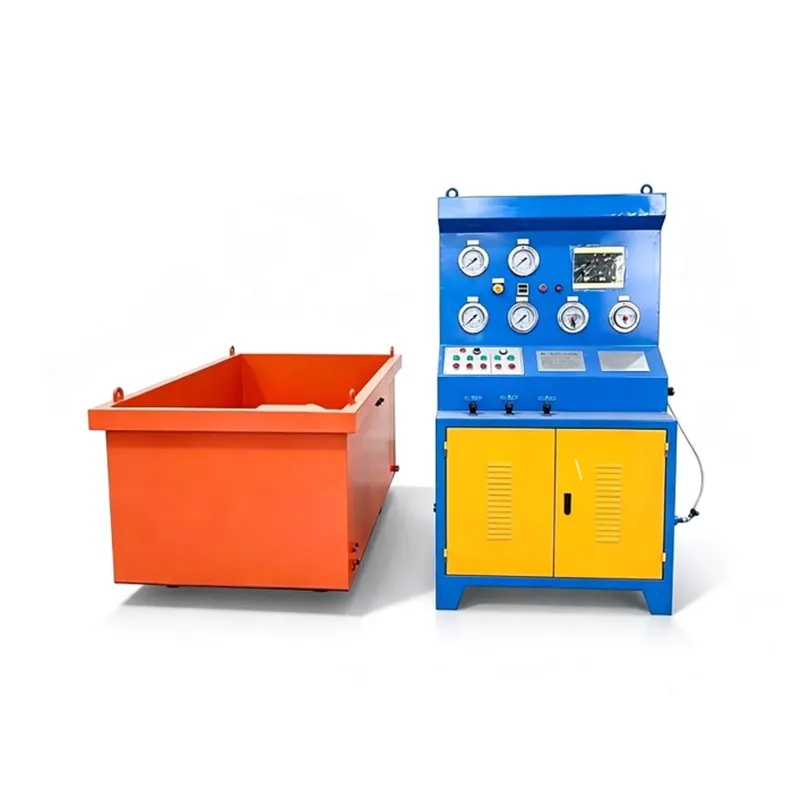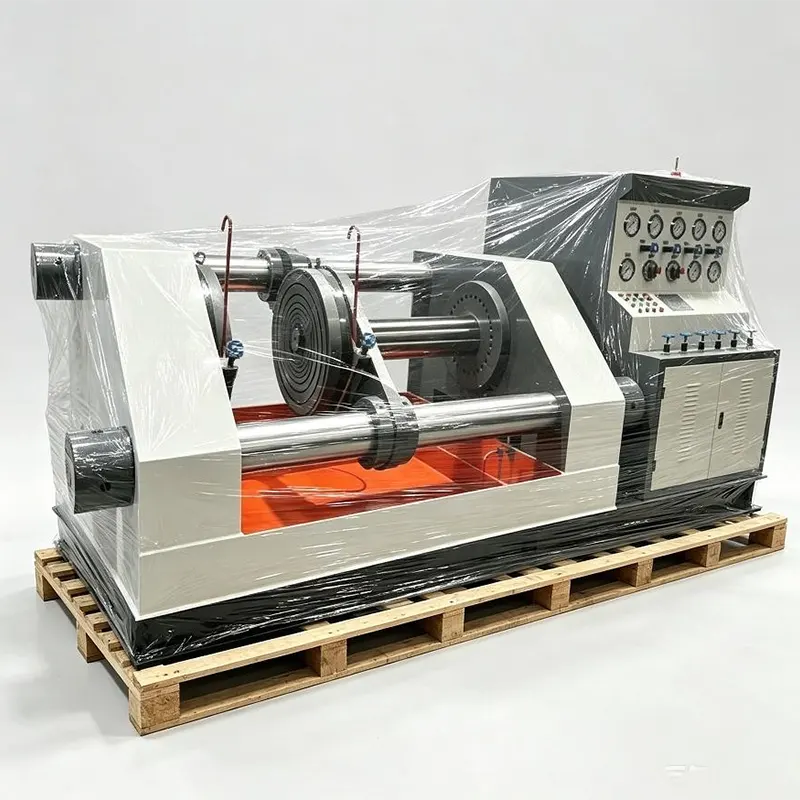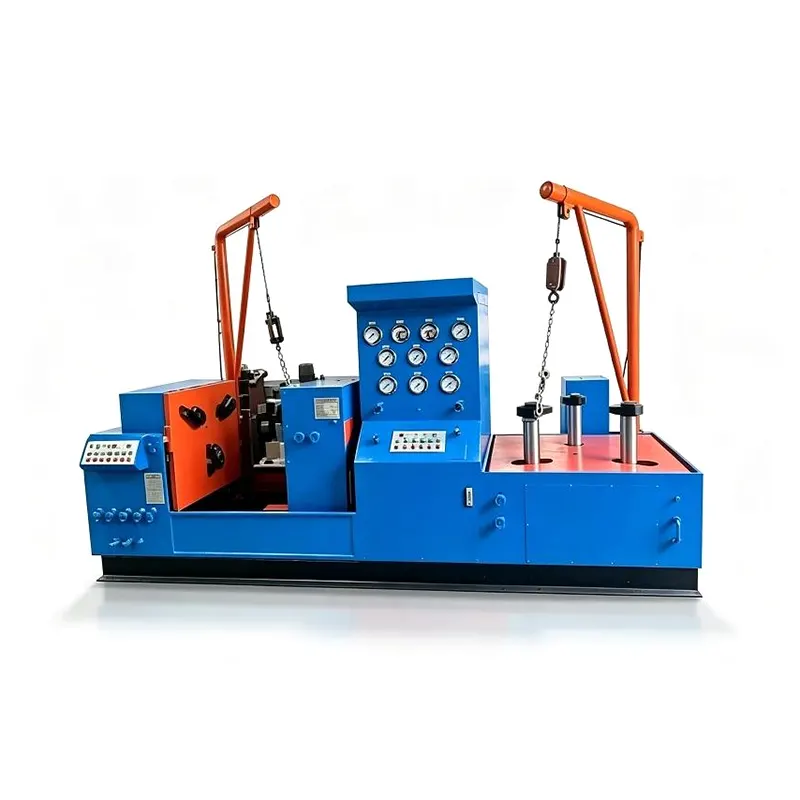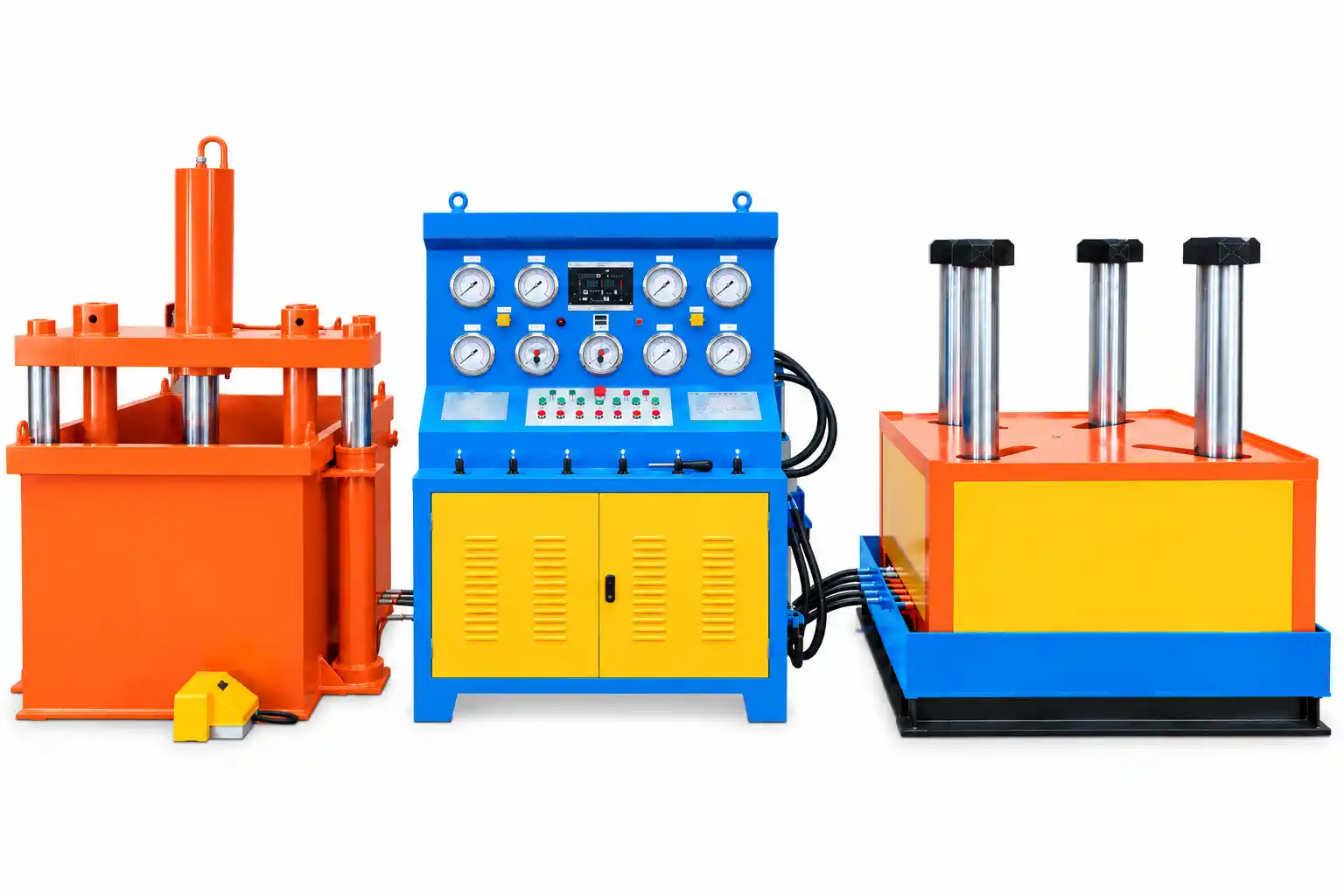

In our daily communication with global valve manufacturers, valve repair workshops and valve distributors all over the world, we often run into a recurring challenge. Many customers reach out to us to inquire about valve test benches, yet the information they provide in the first message is incomplete. They may only mention that they need a valve test bench, without sharing detailed specifications of the valves to be tested. Without these core details, our sales and technical engineers have to send multiple follow-up emails or messages to collect missing data one by one. This back-and-forth communication significantly extends the quotation cycle, delays technical evaluation and slows down the whole procurement project.
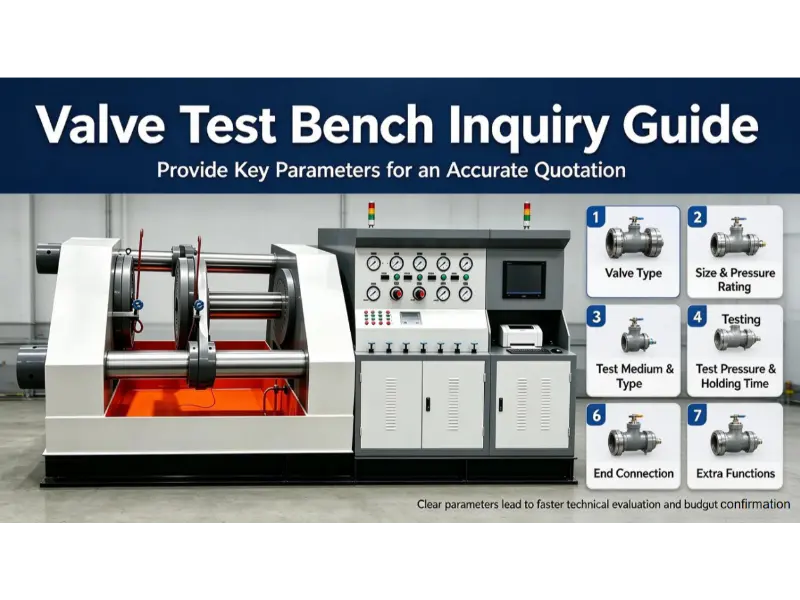
For valve testing equipment, there is no universal one-size-fits-all valve test bench. Every test bench is configured according to the actual testing demands of the customer. If the basic information is ready at the very beginning of the inquiry, our team can evaluate the scheme accurately at the first time, give a reasonable budget range and arrange the suitable fixture proposal quickly. To help international buyers streamline their inquiry process, we have sorted out all essential information that should be included when sending an inquiry for a valve test bench.
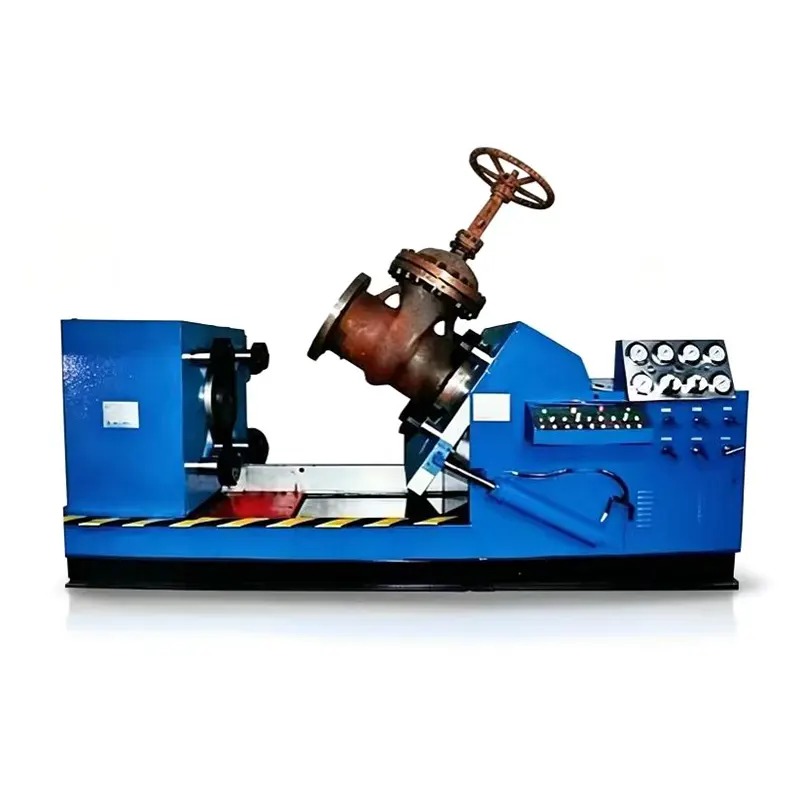
The first point is valve type. Different valve structures demand different clamping mechanisms and customized sealing fixtures. Common types include gate valves, globe valves, ball valves, butterfly valves, check valves, plug valves and safety relief valves. For example, ball valves and butterfly valves usually need different centering and sealing structures compared with gate valves.
The second point covers valve nominal size and pressure rating. You need to tell us the DN or NPS range and PN or Class rating of your valves. These figures decide the maximum clamping travel, clamping force, cylinder configuration and pressure-bearing grade of the valve test bench. A bench designed for small low-pressure valves cannot handle large high-pressure valves safely.
Third, test medium and test types. Please specify whether you only need hydrostatic water shell test, pneumatic air seat leakage test, or both hydraulic and pneumatic functions on one unit. Some clients also require vacuum testing for special valve applications.
Fourth, applicable testing standards. Widely adopted standards include API 598, ISO 5208, GB/T13927 and MSS SP-61. Different standards set different rules for test pressure, holding duration and acceptance criteria. This directly guides our equipment configuration and control program setup.
Fifth, required test pressure and pressure holding time. This is one of the most critical technical indicators. The test bench must maintain stable pressure without obvious pressure drop throughout the whole holding period.
Sixth, valve end connection style. We need to know whether your valves are flange end, threaded end, butt-weld end or wafer lug type, as this affects the design and supply of matching fixtures.
Seventh, extra functional requirements. These include computer automatic data recording and report printing, manual control mode, space limitation of your workshop, mobile layout requirement and any special customized fixtures.
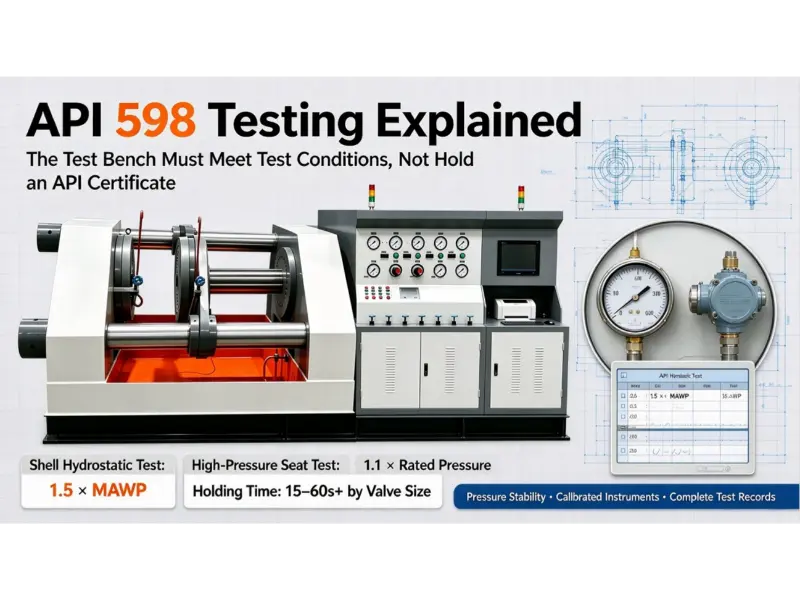
During communication, we find another widespread misunderstanding among overseas buyers. Many customers ask whether our valve test bench carries API certification. It is necessary to clarify this professional point. API 598 is the inspection and testing standard for valves, not a certification that the valve test bench itself is required to own. The valve test bench works as the testing tool. The core requirement is whether the bench can satisfy all test conditions defined in API 598.
According to the official API 598 specification, the shell hydrostatic test pressure is normally 1.5 times of the valve’s maximum allowable working pressure. The high-pressure seat closure test generally adopts 1.1 times of the valve rated pressure. The required holding time is classified by valve nominal size. Valves sized NPS 2 and below need a minimum holding time of 15 seconds. Valves from NPS 2.5 to NPS 6 require 30 seconds. Valves NPS 8 and above need 60 seconds or longer holding time.
Apart from pressure stability, the pressure gauges and transmitters fitted on the bench should be calibrated and traceable, to guarantee that the recorded test data can be accepted by third-party inspectors. When your finished valves need to pass API 598 inspection, the key evaluation target is whether our test bench can reach the target test pressure, keep pressure steadily for the required duration and store complete test records, rather than requiring the test bench to hold an API certificate.
A complete and well-organized inquiry saves abundant communication time for both sides. It helps our technical team rule out unsuitable solutions quickly and deliver a safe, stable and cost-effective valve test bench solution matched exactly with your testing specification. If you are not sure which parameters to confirm or how to interpret the requirements from your inspection standard, feel free to get in touch with our technical team. We are ready to provide professional guidance and technical support for your valve testing project.